What Size Wires Are Used in The House?
Jul 26, 2022
Hongzhou Cable Company Reveals: Common Wire Specifications in Homes
In modern society, wires play a vital role in homes as a link between electricity and life. However, for most consumers, how to correctly choose the appropriate wire specifications to ensure safety and efficiency is often a confusing question. Today, let us follow the experts of Hongzhou Cable Company to explore the common wire specifications in homes and reveal the world of wires that seem ordinary but have profound scientific principles behind them.
Basic structure and classification of household wires
Household wires are mainly composed of conductors, insulation layers and outer sheaths. Conductors are usually made of copper or aluminum, and their cross-sectional area determines the current carrying capacity. The insulation layer is used to block the current, avoid contact between conductors or between conductors and external batteries, and ensure the safe operation of the circuit. The outer sheath protects and fixes the conductor and insulation layer, and has the characteristics of wear resistance and aging resistance.
According to different uses and needs, household wires can be divided into many types and specifications, such as low-voltage wires, medium-voltage wires, high-voltage wires, etc. Each wire has its specific application scenarios and technical requirements.
Common household wire specifications and their applications

1.5mm² wire
1.5mm² wire is one of the most common wire specifications in the home, suitable for connecting low-power devices and lighting circuits. For example, chandeliers in the living room, sockets in the bedroom, etc. Due to its smaller cross-sectional area, it is suitable for carrying smaller currents and usually works well in normal household electricity.

2.5mm² wire
2.5mm² wire is widely used to connect medium-power devices, such as induction cookers and microwave ovens in the kitchen. Compared with 1.5mm² wire, 2.5mm² wire has a larger cross-sectional area and can carry higher currents, ensuring the normal and stable operation of the equipment and avoiding safety hazards caused by current overload.

4mm² and above wires
For occasions where high-power equipment needs to be connected, such as air conditioners, electric water heaters, etc., wire specifications of 4mm² and above are usually selected. These wires have a larger cross-sectional area and can carry a larger current load, ensuring the efficient operation of the equipment, while reducing the safety risks caused by overheating of the wires.
How to correctly choose the specifications of household wires
Correctly selecting the specifications of household wires can not only ensure safety, but also improve the efficiency of equipment use. Here are some suggestions for selecting wire specifications:
Understand the power requirements of the equipment: When selecting wire specifications, you first need to understand the power requirements of the connected equipment. Different power devices require wires of different cross-sectional areas to support their current requirements.
Consider circuit length and load: The cross-sectional area of the wire is affected not only by the power of the equipment, but also by the length and load of the circuit. Long-distance circuits and high-load circuits usually require wires with larger cross-sectional areas to reduce resistance loss and heat accumulation.
Follow relevant standards and regulations: When selecting wires, ensure that they comply with relevant national or regional safety standards and regulations, such as CCC certification, to ensure the safety and reliability of the product.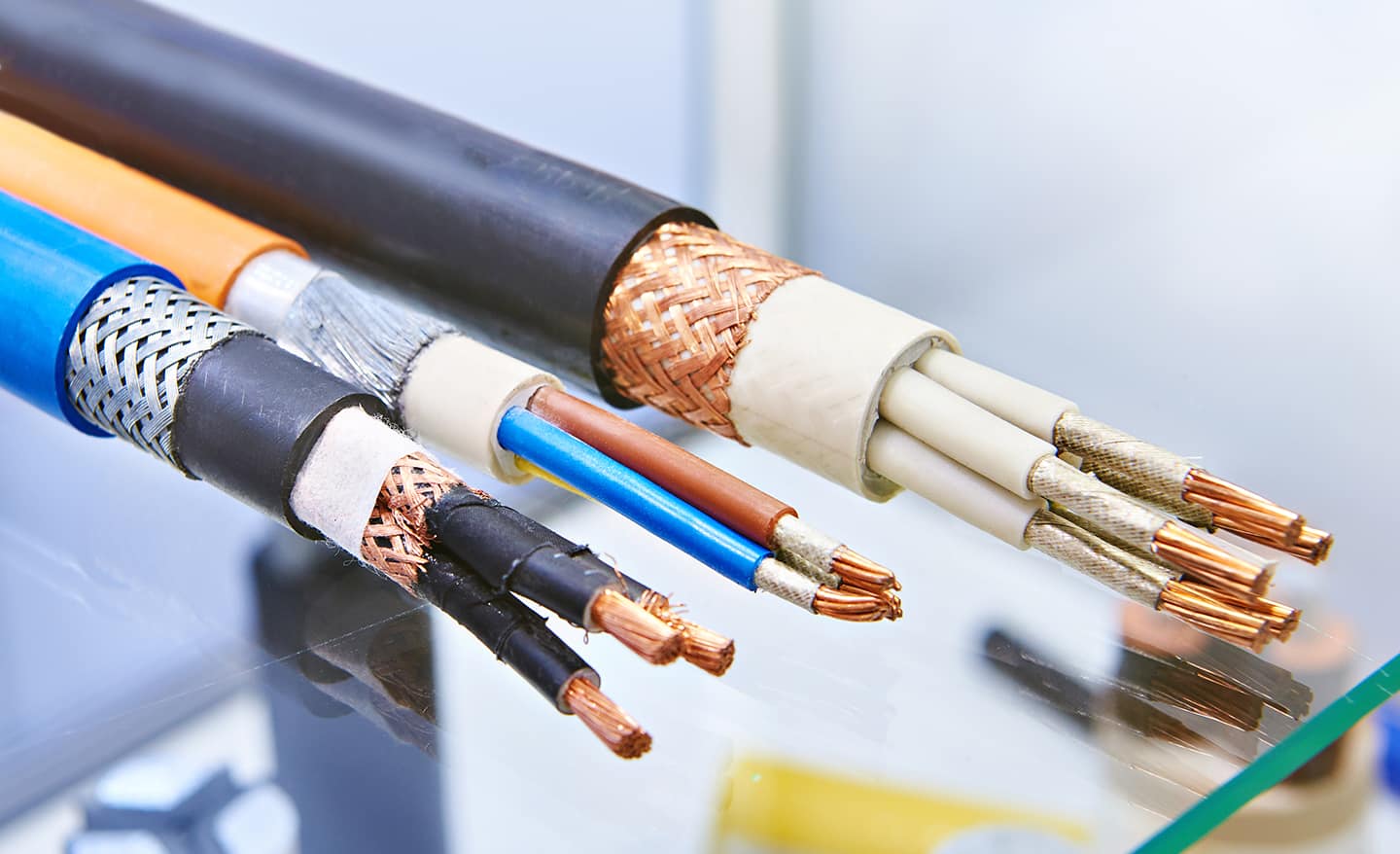
Maintenance and care of household wires
Maintenance and care of household wires is a key step to ensure electrical safety and long-term stable operation of equipment. In addition to correctly selecting wire specifications, it is essential to regularly check and maintain the appearance and connection status of wires. In daily household use, wires are often exposed to various environmental conditions and may age, damage or wear due to long-term use or external factors. Therefore, taking appropriate maintenance measures can effectively extend the service life of wires and avoid safety accidents caused by circuit problems.
1. Check the appearance of wires regularly. Users can regularly check the outer sheath and insulation layer of the wires to see if there are obvious wear, cracks or damage. These damages may be caused by physical friction, animal bites or other external forces. Especially after home decoration or relocation, wires may be scratched or squeezed, which will affect their safety and service life. Timely detection and handling of these problems can reduce the risk of safety hazards.
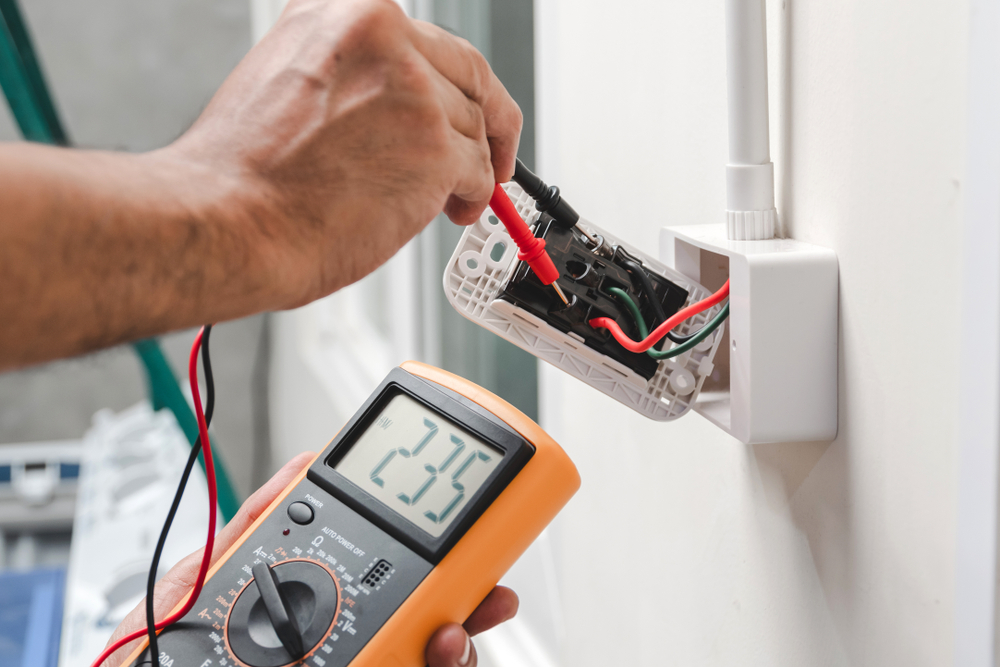
2. Check whether the connection of the wires is normal. The wire connection ends should be firmly fixed and should not be loose or in poor contact. Especially at connection points such as sockets and switches, the connection is often loose due to long-term use, which may cause poor current transmission or arcing, thereby causing the risk of fire. It is recommended to check these connection points regularly to ensure that the wire connection is stable and reliable.
3. Regularly replace aging or damaged wires. During long-term use, wires may fail due to problems such as aging of the insulation layer, broken conductors, or internal short circuits. Once obvious signs of aging are found on the surface of the wire, such as hardening or fading of the insulation layer, or abnormal heating inside the wire, stop using it immediately and replace it with a new wire. Timely replacement of aging wires can effectively reduce the risk of fire or other electrical accidents caused by wire failures.
4. Home users can also take some additional precautions. In order to improve the safety and service life of wires. For example, avoid overloading the wires and reasonably distribute the power load of electrical appliances; regularly clean the dust and debris around the wires, and maintain a ventilated and dry environment to extend the service life of the wires. When repairing or installing household electrical equipment, qualified electricians or professionals should also be selected to operate to ensure safety and reliability.
In short, the maintenance and care of household wires is not only related to the safety of family members, but also directly affects the long-term use of household electrical equipment. By regularly checking the appearance and connection status of wires and replacing aging or damaged wires in a timely manner, safety accidents caused by circuit problems can be effectively prevented, and the electrical safety and quality of life of the family can be guaranteed. Hongzhou Cable Company will continue to be committed to providing high-quality and reliable cable products and professional service support, and contribute to creating a safe and intelligent home electrical environment for users.
Professional support and service of Hongzhou Cable Company
As a professional cable manufacturer, Hongzhou Cable Company is committed to providing consumers with high-quality wire products and excellent after-sales service. We not only focus on product quality and safety, but also continue to innovate and optimize products to meet the needs and expectations of different consumers.
Through the detailed analysis and application of commonly used wire specifications in the home, I believe you have a clearer understanding of how to choose and use appropriate wire specifications. In the future home electrical decoration or equipment update, I hope you can choose the most appropriate wire specifications according to actual needs to ensure the safety of home electrical and the efficient operation of equipment. Hongzhou Cable Company will continue to work hard to provide consumers with better wire products and services, and jointly build a safe and comfortable home environment.