As a professional cable manufacturer, Hongzhou has the following strengths:
We have a high-quality R&D team, mastering advanced technology and rich industry knowledge, and are able to design and produce various high-quality cable products.
We select high-quality materials and adopt advanced manufacturing processes to ensure that our products have high reliability and superior performance and can meet customer needs.
We have established a strict quality control system, and each link from raw material procurement to production and manufacturing is strictly monitored and tested to ensure stable and reliable product quality.
Technical strength and professional knowledge:
High-quality materials and manufacturing processes:
Diversified product lines:
We provide various types of cable products covering different specifications and uses, which can meet the needs of various industries and customers.
customization capabilities:
Provide customized solutions according to customers' specific needs, including special specifications, customized packaging, etc., and provide personalized services.
Excellent after-sales service:
We focus on after-sales service and provide timely technical support and after-sales guarantee to ensure that customers receive continuous support and attention during use.
sustainable development
Pay attention to environmental issues in the production process, and actively seek the application of environmentally friendly materials and technologies to reduce the impact on the environment.
What type of wire is used in PV system?
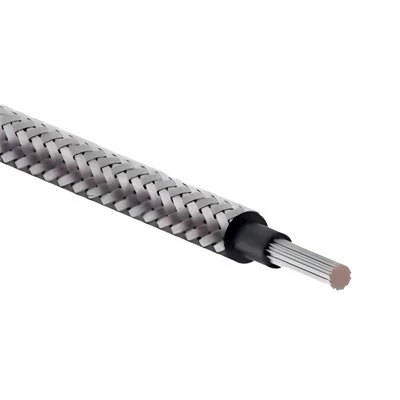
Photovoltaic (PV) systems often use special types of wires designed to withstand outdoor conditions, sunlight, and high temperatures. The wires used in photovoltaic systems are specifically called photovoltaic (PV) wires or solar cables. These cables are constructed to meet the unique requirements of solar installations and are designed to carry the direct current (DC) power generated by solar panels.
Some key characteristics of photovoltaic wires include:
UV Resistant: Photovoltaic wires are designed to resist damage caused by prolonged exposure to sunlight and ultraviolet (UV) radiation.
Weather Resistance: They are able to withstand various weather conditions such as rain, wind and extreme temperatures.
High Temperature Rating: Photovoltaic wires are able to withstand the high temperatures generated in solar installations without degradation or loss of performance.
Flexibility: They are often flexible, which facilitates installation and cabling in complex and varied terrain.
Insulation: The insulation used in photovoltaic wires is typically made of materials that provide electrical insulation and protection from environmental factors.
Certifications: Quality photovoltaic wires typically meet industry standards and certifications to ensure the safety and reliability of solar power systems.
These wires are key components that connect solar panels, inverters, charge controllers, and other components in a solar PV system, transmitting the power produced by the panels to the rest of the system or grid.
Cable solutions for solar photovoltaic and energy storage systems
Our cable solutions are widely and maturely used in industrial and commercial, rooftop, floating power stations, large power plants, maintenance and repair in the solar PV industry.
Cables play a vital role in the efficiency and durability of solar photovoltaic and energy storage systems. The right cabling solution ensures optimal performance and longevity of these systems.
Ability to withstand harsh environmental conditions. Includes exposure to sunlight, extreme temperatures, moisture and wear and tear.
The ability of cables to handle the high voltage and current levels associated with solar and energy storage applications. Cables made from high-quality materials, such as copper or aluminum, with the correct gauge and insulation can handle these levels without damage or overheating.
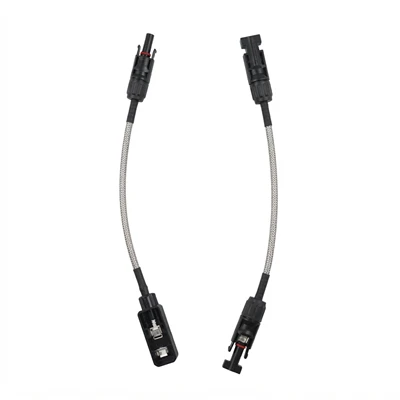
Flexible and easy-to-install cables reduce installation time and increase overall efficiency. Pre-assembled cables with connectors and junction boxes also simplify installation and reduce the risk of errors.