What Is Difference Between Single Core And Multicore Wire?
Dec 06, 2022
Hongzhou Cable Company Interpretation: The Difference and Application of Single-core and Multicore Wires

In the power and communication networks of modern society, wires are important carriers for connecting power and information, and their types and characteristics are diverse. However, for general consumers, single-core and multi-core wires may be a relatively unfamiliar concept. Today, we will lead you to explore the difference between single-core and multi-core wires in depth, as well as their practical applications and advantages in different life and industrial applications.
Characteristics and Applications of Single-core Wires
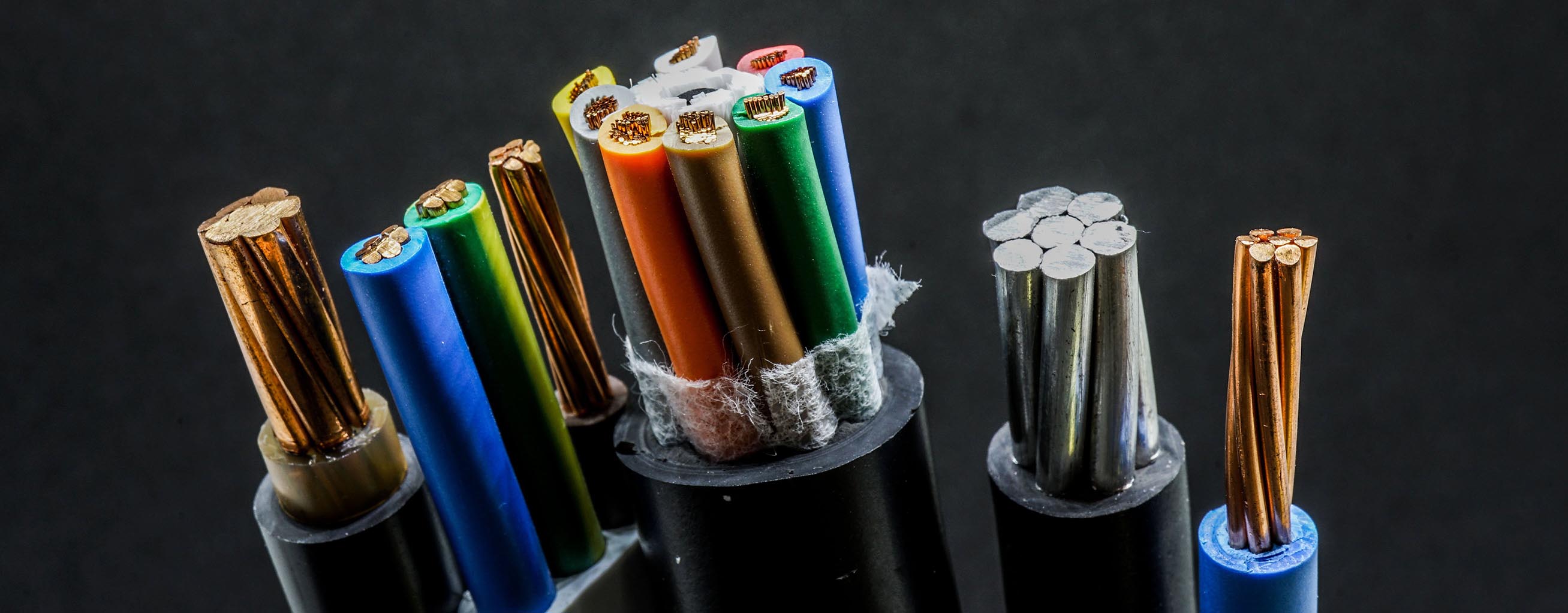
Single-core wires refer to wires with only one conductor inside, usually made of conductive metals such as copper or aluminum, and covered with an insulating layer and an outer sheath. This design gives single-core wires advantages in signal transmission and current carrying capacity.Its applicable scenarios and advantages:
Precision equipment and high-frequency circuits: Since single-core wires have only one conductor inside, electromagnetic interference and energy loss in signal transmission can be reduced, so they are particularly suitable for high-frequency circuits and precision equipment that require precise signal transmission, such as medical equipment, communication equipment, etc.
High temperature resistant environment: Single-core wires usually choose high temperature resistant insulation materials and can work stably in high temperature environments, such as industrial equipment, heat treatment equipment, etc.
Easy to install and maintain: Due to its simple structure, single-core wires are easier to install and maintain than multi-core wires, and are suitable for occasions that need to be frequently replaced or moved, such as home electrical wiring and light industrial equipment.

Characteristics and applications of multi-core wires

Multi-core wires contain multiple insulated conductors, each of which can independently transmit current or signals, with high flexibility and versatility.
Its applicable scenarios and advantages:
Data transmission and control system: Multi-core wires are widely used in occasions where multiple signals or data need to be transmitted simultaneously, such as network cables, security monitoring systems, industrial control systems, etc. Each core can independently carry different signals or data streams, providing flexible solutions.
Mechanical equipment and automation systems: In mechanical equipment and automation systems, multi-core wires are used to connect various sensors, actuators and controllers, supporting complex signal control and data acquisition, such as industrial robots, smart home systems, etc.
Durability and anti-interference ability: The design of multi-core wires takes into account the influence of electromagnetic interference and external environment, and adopts appropriate insulation materials and shielding design to ensure the stability and reliability of signals, which are suitable for harsh environments and long-term use.
Recommendations for the selection of single-core and multi-core wires
In practical applications, the following aspects should be considered comprehensively when selecting single-core or multi-core wires:
Signal transmission requirements: Select the type of wire according to the specific signal transmission requirements. Single-core wires are suitable for single signal transmission and precision equipment, while multi-core wires are suitable for complex data transmission and control systems.
Environmental conditions: Consider the use environment of the wire, including factors such as temperature, humidity, and electromagnetic interference, and select appropriate insulation materials and outer sheath materials to ensure the safety and reliability of the wire in a specific environment.
Installation and maintenance requirements: Select the type of wire according to the difficulty of installation and maintenance. Single-core wires are relatively simple to install and maintain, and are suitable for occasions that require frequent replacement or movement; multi-core wires have certain advantages in complex wiring and long-term stability.


Products and services of Hongzhou Cable Company
As a professional cable manufacturer, Hongzhou Cable Company is committed to providing customers with high-quality single-core and multi-core wire products. We not only focus on the quality and safety of our products, but also actively explore and develop new technologies to meet the needs of different industries and customers.
The wire products we provide include but are not limited to:
Single-core wire: suitable for home electrical wiring, light industrial equipment and other fields, providing stable current transmission and signal transmission effects.
Multi-core wire: suitable for complex data transmission and control systems, providing flexible multi-signal transmission solutions to ensure the stability and reliability of the equipment.
In summary, through the detailed analysis of single-core and multi-core wires, we hope that you can have a clearer understanding of their different application scenarios and advantages in electrical equipment and systems. In future engineering projects or home electrical decoration, it is very important to choose the right type of wire, which directly affects the safety and operation efficiency of the equipment. Hongzhou Cable Company will continue to uphold the spirit of innovation and the concept of customer first, provide customers with high-quality cable products and professional technical support, and jointly promote the development and progress of the industry.