How To Identify Wire Size
Jul 25, 2022
Hongzhou Cable Company shares: How to identify wire specifications and easily master home electrical safety
In modern society, wires and cables are an indispensable part of home electrical equipment. Whether it is lighting, communication or various electrical equipment, they all rely on wires and cables to transmit electrical energy. However, for ordinary consumers, how to correctly identify and select suitable wire specifications to ensure safety and efficiency is often a challenge. Today, let us follow the experts of Hongzhou Cable Company to explore in depth how to easily identify the specifications of wires and escort home electrical safety.
The importance and understanding of specification markings
The markings on wires and cables seem simple, but they contain important information. First, let us analyze the common specification markings of wires and cables. On the outer sheath of the wire, there is usually a string of numbers and letters printed. These are the basic information of the wire, including but not limited to the following points:
Rated voltage: indicates the highest voltage that the wire can withstand. Common rated voltages are 300/500V, 450/750V, etc. Different voltages are suitable for different uses and environments.
Rated current: indicates the maximum current that the wire can withstand under normal working conditions. This value directly affects the safe operation of the wire. Excessive current may cause the wire to overheat or even damage.
Wire cross-sectional area: usually measured in square millimeters (mm²), it reflects the cross-sectional area of the conductor inside the wire. The larger the cross-sectional area, the greater the current that the wire can transmit, which is suitable for connecting high-power devices or long-distance power transmission.
For example, if you see a wire marked "300/500V 2.5mm²", it means that the rated voltage of the wire is 300/500 volts and the cross-sectional area is 2.5 square millimeters. Through these markings, users can quickly understand the basic characteristics of the wire, which helps to correctly select and use the wire and avoid safety problems caused by mismatched wire specifications.
Specification selection matches household appliances
The selection of wires should be determined according to the power requirements and usage environment of household appliances. Different electrical equipment requires wires of different specifications to support their normal operation and safety. Generally speaking, household appliances can be divided into two categories: low power and high power, and the corresponding wire specifications are also different.


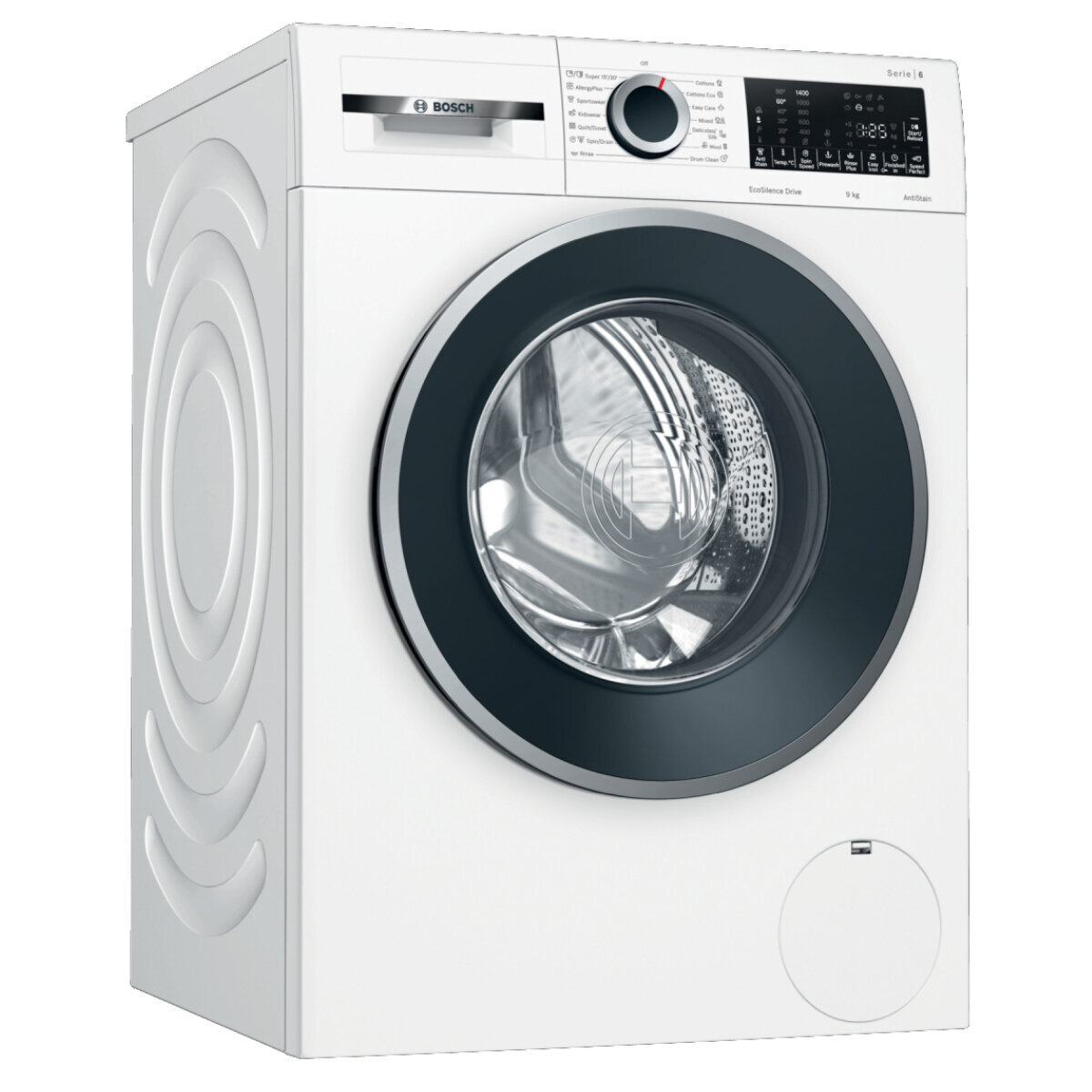
Low-power appliances such as lamps and small electric fans usually use wires with smaller cross-sectional areas, such as 1.5mm² or 2.5mm². These appliances have lower current requirements and will not cause excessive load on the wires. High-power appliances such as air conditioners, electric water heaters, washing machines, etc. require wires with larger cross-sectional areas to carry larger currents to ensure that the appliances operate normally and are not damaged by overheating of the wires.
In practical applications, how to correctly match the specifications of appliances and wires directly affects household electrical safety and the service life of appliances. For example, when deciding to install a new air conditioner, in addition to considering the power requirements of the air conditioner, it is also necessary to ensure that the selected wire can carry the rated current of the air conditioner to avoid fire and other safety accidents caused by overloading of the wires.
Practical "Wire Specification Table" and its application
In order to help consumers choose the appropriate wire specifications more easily, Hongzhou Cable Company has specially produced a practical "Wire Specification Table". This table lists in detail the recommended wire specifications required for common household appliances, and provides specific suggestions and references for different scenarios and power requirements. For example:
| Location/Room | Recommended Wire Size (mm²) | Suitable Appliances |
|---|---|---|
| Kitchen | 2.5 | Electric ovens, microwave ovens |
| Bathroom | 1.5 | Hair dryers, electric shavers |
| Living room | 2.5 | TVs, stereos, general household appliances |
Through this wire specification table, consumers can quickly find suitable wire specifications according to specific needs, avoid blind selection or wrong matching, and improve home electrical safety and efficiency.
Precautions and suggestions for purchasing wires
In addition to understanding the wire specification identification and application, there are also several important precautions and suggestions when purchasing wires:
Choose reliable brands and suppliers: Choose cable companies with good reputation and professional production experience, such as Hongzhou Cable Company, to ensure product quality and after-sales service.
Pay attention to the certification marks of wires: Make sure that the wires have passed relevant national or regional certifications, such as CCC certification, and meet safety and quality standards.
Confirm the legitimacy of sales channels: When purchasing wires, choose regular sales channels to avoid purchasing inferior or counterfeit products and ensure safety and effectiveness.
These precautions and suggestions help consumers make wise choices when purchasing wires and ensure the safe operation and long-term use of household electrical equipment.
The close relationship between wires and home safety
Finally, wires, as the "blood vessels" of home electrical equipment, are directly related to the safety and comfort of the family. Correctly selecting and using wires of appropriate specifications can not only improve the efficiency and performance of electrical appliances, but also effectively prevent fires and other electrical safety accidents. In daily life, we should pay attention to the installation quality of wires, regularly check the operating status of wires, and replace aging or damaged wires in time to ensure the safe and reliable operation of home electrical equipment.
Through the understanding and analysis of wire specification identification, specification selection and electrical appliance matching, practical wire specification tables and their applications, precautions and suggestions for purchasing wires, and in-depth discussion of the relationship between wires and home safety, I believe you have a deeper understanding and mastery of how to correctly identify and select wire specifications. Hongzhou Cable Company will continue to be committed to providing users with high-quality and reliable cable products and related services, and contribute to the construction of a safe and intelligent home electrical environment. I hope that through our efforts, more families can enjoy higher protection and comfort in electrical safety.