


Introduction To Home Appliance Wiring Harnesses
Nov 13, 2026
What Is a Home Appliance Wiring Harness?
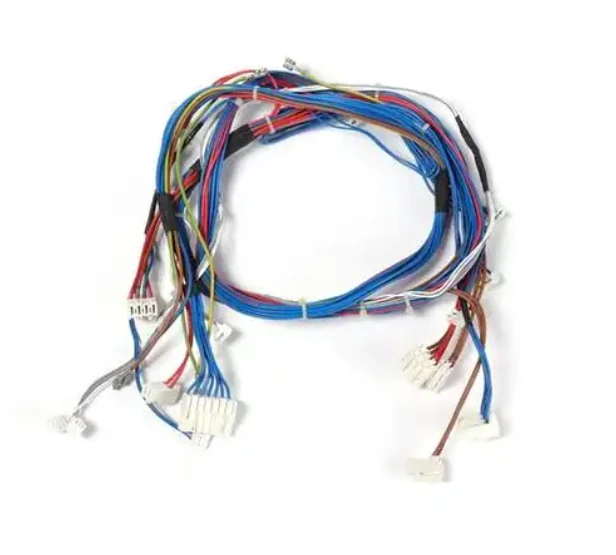
A home appliance wiring harness is an assembly of electrical wires, terminals, and connectors used to link different electrical components inside a household product. It carries power and electrical signals between parts such as control boards, motors, switches, sensors, and heating elements.
Most household appliances contain several electrical components that need to work together. Connecting each component with separate wires can make internal wiring difficult to organize. A wiring harness groups these connections into a defined layout, with specific wire lengths, connector positions, and terminal configurations.
Wire colors and markings also help identify individual circuits during production, assembly, and maintenance.
For manufacturers looking for appliance wiring assemblies, Hongzhou Cable offers a range of wire harness products. One example is its washing machine wire harness, which is used for internal electrical connections in washing machines.
Main Types of Home Appliance Wiring Harnesses
Home appliance wiring harnesses can be grouped according to the functions they perform inside a product. Some appliances use several of these wiring types in one assembly, depending on their electrical design.
1. Power Transmission Wiring Harness
A power transmission harness carries electrical power from the appliance's power input or internal power distribution point to other components.
It may connect motors, pumps, heaters, and other electrical loads. Wire size and insulation need to match the current, voltage, and operating conditions of the appliance.
Common applications include washing machines, refrigerators, air conditioners, and microwave ovens.
2. Control Wiring Harness
A control wiring harness connects the control board with switches, buttons, displays, and operating components. It carries signals that allow the appliance to respond to user settings and control instructions.
For example, a washing machine may use control wiring between its mainboard, operation panel, door lock, and water inlet valve. An oven may use wiring to connect its control board with the temperature adjustment and heating control components.
3. Sensor Wiring Harness
Sensor wiring connects detection components to the appliance's control system. These components provide information about operating conditions so the appliance can adjust its functions.
Common examples include:
-
Temperature sensors in refrigerators and air conditioners
-
Water-level sensors in washing machines
-
Door sensors in refrigerators
-
Humidity sensors in selected household appliances
The wire and connector specifications depend on the sensor type, signal requirements, and installation environment.
4. Motor Wiring Harness
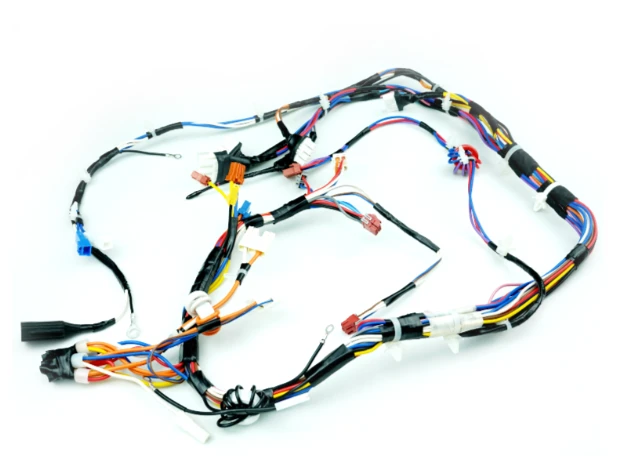
Motor wiring harnesses connect motors with their power supply and control components. They are used in appliances that rely on rotating or moving parts.
Typical applications include washing machine drum motors, refrigerator fan motors, air conditioner fan motors, and vacuum cleaner motors.
The harness design needs to account for motor connections, current requirements, wire routing, and possible vibration during operation.
5. Heating Element Wiring Harness
Heating harnesses connect heating components to the appliance's electrical control system. They are commonly found in products that generate heat during operation.
Examples include:
-
Electric ovens
-
Microwave ovens
-
Electric water heaters
-
Rice cookers
-
Electric kettles
The wire insulation and connector materials must be selected according to the temperature and electrical conditions around the heating components.
6. Lighting and Display Wiring Harness
Some appliances contain internal lighting, indicator lights, or display panels. Their wiring connects LED modules, display boards, and control circuits.
Refrigerators may use wiring for interior lighting, while washing machines and ovens may have separate connections for indicator panels or displays.
The harness layout depends on the position of the lighting or display components and their electrical requirements.
Where Are Home Appliance Wiring Harnesses Used?
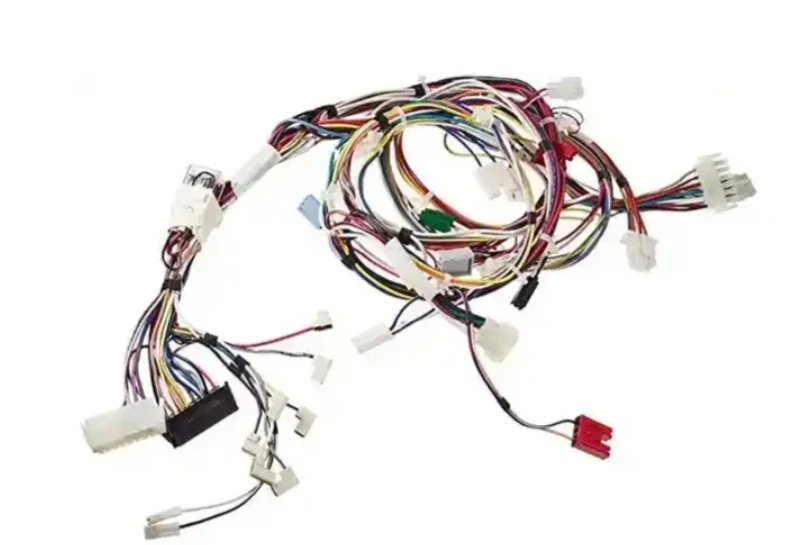
The same type of wiring harness can serve different appliances, but the actual layout and components vary by product.
| Appliance | Typical Electrical Connections |
|---|---|
| Washing machine | Control board, motor, drain pump, water inlet valve, door lock |
| Refrigerator | Compressor, fan motors, temperature sensors, defrost heater, lighting |
| Air conditioner | Control board, compressor, fan motor, temperature sensors |
| Dishwasher | Control board, circulation pump, drain pump, heating element, sensors |
| Microwave oven | Control components, door switches, lighting, heating-related circuits |
| Coffee machine | Control board, heating element, pump, switches, sensors |
| Rice cooker | Control board, heating plate, temperature sensor, control panel |
These are general examples. The actual wiring arrangement depends on the appliance model, circuit design, and component configuration.
What Materials and Components Are Used in Appliance Wiring Harnesses?
A home appliance wiring harness contains several parts, and each one affects the electrical connection and physical arrangement.
| Component | Purpose |
|---|---|
| Copper conductors | Carry electrical power or signals |
| Wire insulation | Covers and electrically separates conductors |
| Terminals | Create contact between wires and electrical components |
| Connector housings | Hold terminals and provide connection interfaces |
| Protective sleeves | Group and protect wires where required |
| Adhesive tape and cable ties | Secure wires and maintain the required layout |
The materials should be selected according to the appliance's voltage, current, temperature, moisture exposure, and installation space.
For example, wiring near a heating element needs to meet the relevant temperature requirements. A harness installed in a washing machine may also need suitable protection around areas exposed to moisture or movement.
What Makes a Good Home Appliance Wiring Harness?
A suitable wiring harness needs to match the electrical and physical requirements of the appliance. Several details are particularly important during design and sourcing.
1.Correct Wire Specifications
Wire conductor size, insulation, and rated electrical characteristics must match the circuit requirements. Using an unsuitable wire can affect the performance and service life of the connection.
2.Compatible Connectors and Terminals
The terminal must fit the selected wire and connector housing. The connector must also match the component interface and pin arrangement specified in the appliance design.
3.Accurate Wire Length and Branch Layout
Each wire needs to reach its designated connection point without being excessively long or creating unnecessary tension. Branch positions should follow the appliance's internal layout.
4.Suitable Protection
Sleeves, tubes, and other protective materials may be needed where wires pass through tight spaces, move during operation, or are exposed to heat, moisture, or abrasion.
5.Consistent Assembly
A clearly defined wiring layout helps manufacturers maintain consistent connections between production batches. Drawings, samples, and inspection requirements should be confirmed before production.
What Should Manufacturers Provide When Ordering Custom Appliance Wiring Harnesses?
When sourcing a custom home appliance wiring harness, manufacturers should provide enough information for the supplier to understand the required structure and specifications.
| Required Information | Details |
|---|---|
| Appliance type | Washing machine, refrigerator, coffee machine, etc. |
| Wiring diagram | Circuit drawing or connection layout |
| Wire specifications | Wire type, conductor size, insulation, and color |
| Dimensions | Overall length and individual branch lengths |
| Connectors | Connector model, pin count, and configuration |
| Terminals | Terminal type and wire compatibility |
| Operating conditions | Temperature, moisture, vibration, and installation environment |
| Order quantity | Sample quantity and expected production volume |
If a complete drawing is not available, a physical sample can help communicate the required connections and dimensions. The technical details should be reviewed before the final configuration is confirmed.
Wiring Harnesses and Power Cords in Home Appliances
A wiring harness and a power cord are both used in electrical products, but they have different roles.
A power cord connects the appliance to an external electrical supply. A wiring harness connects the electrical components inside the appliance.
For example, a refrigerator uses a power cord to receive electricity from a wall outlet. Its internal wiring harness then connects the control board, compressor, fans, sensors, and lighting according to the circuit design.
For appliance manufacturers sourcing both components, Hongzhou Cable also supplies power cord products alongside its wire harness range.
Home Appliance Wiring Harness Supply from Hongzhou Cable
Hongzhou Cable supplies power cords and wire harness products for electrical and household appliance applications. Its existing wire harness range includes washing machine wiring assemblies.
For a custom appliance wiring harness inquiry, manufacturers can provide a wiring diagram, physical sample, or detailed connection requirements. Wire specifications, connector types, dimensions, and order quantities can then be reviewed against the available manufacturing scope.
By supplying both power cords and wire harnesses, Hongzhou Cable can also support buyers who source external power connections and internal wiring components for their appliance product lines.
FAQ
1.What is the main function of a home appliance wiring harness?
Its main function is to connect electrical components inside an appliance and carry power or signals between them. It also keeps internal wiring arranged according to the product's circuit design.
2.What are the common types of appliance wiring harnesses?
Common functional types include power transmission harnesses, control wiring harnesses, sensor wiring harnesses, motor wiring harnesses, heating element harnesses, and lighting or display wiring harnesses.
3.Do different home appliances use the same wiring harness?
No. Different appliances have different electrical components, circuit layouts, and installation spaces. Even two models of the same appliance may require different harness configurations.
4.Can appliance wiring harnesses be customized?
Yes. Wire length, conductor size, insulation, connector type, terminal configuration, and branch layout can be specified according to the appliance design and the supplier's manufacturing capabilities.
5.What is the difference between a wiring harness and a wire?
A wire is an individual electrical conductor with insulation. A wiring harness combines multiple wires and related components into an organized assembly for a specific application.


