


Anti-rodent Solutions For DC Cables And Fiber Optic Cables
Aug 18, 2026
Why rodent protection is becoming important for photovoltaic DC cables
Photovoltaic systems are designed for long-term outdoor operation, but cable protection remains an important factor affecting the reliability of solar projects. In ground-mounted solar farms, agricultural PV installations, desert power stations, and remote renewable energy projects, DC cables are often installed in areas where rodents and insects are active.
Rats, mice, and other rodents naturally chew materials to maintain their teeth. When solar DC cables are installed near soil, vegetation, equipment rooms, or underground routes, they may become a target for animal damage.
A damaged cable does not only affect the cable itself. It can interrupt power transmission between solar modules and inverters, increase maintenance requirements, and create unexpected downtime for photovoltaic systems.
For this reason, many solar developers, EPC contractors, and PV cable distributors are looking for more reliable rodent resistant PV cable solutions instead of relying on standard cable structures.
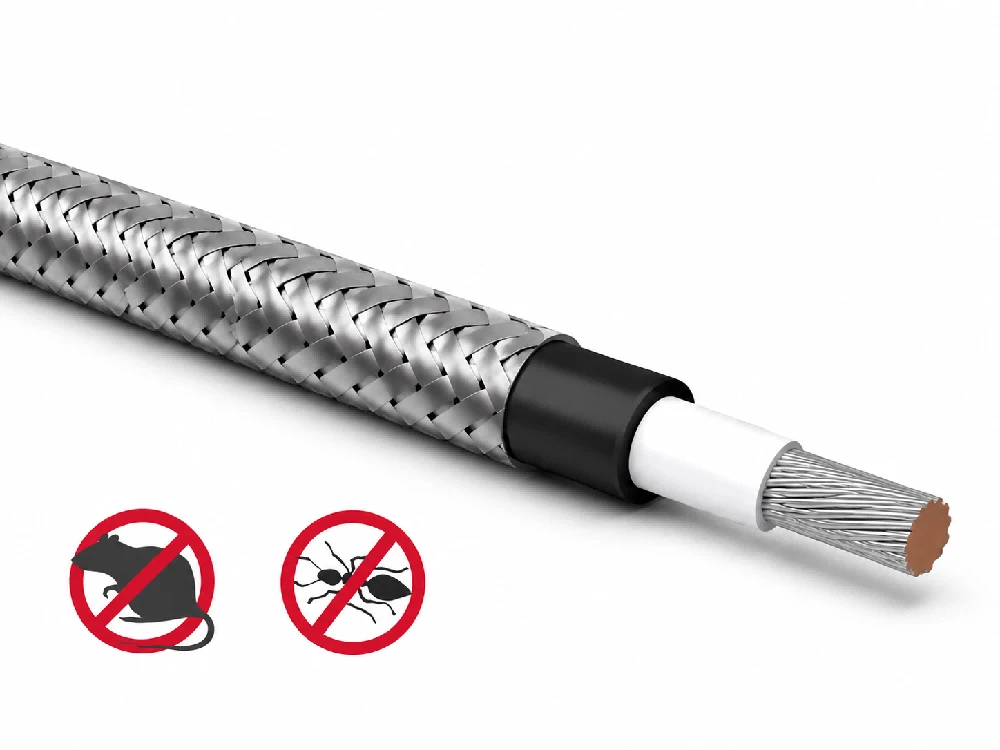
Hongzhou provides anti-rodent solar cable protection solutions designed for photovoltaic DC applications. The solution combines PV cable technology with stainless steel braided protection to improve resistance against rodent bites, mechanical damage, and harsh outdoor conditions.
Why do rodents attack DC cables in photovoltaic systems?
Rodent damage is not limited to one type of installation environment. Different solar projects may face different levels of risk depending on location, cable routing, and surrounding conditions.
Most PV DC cables are installed outdoors between solar modules, combiner boxes, and inverters. Unlike indoor electrical wiring, these cables must continuously withstand:
- Direct sunlight exposure
- Temperature changes
- Humidity and rain
- Dust and soil contact
- Animal activity
Large-scale solar farms usually cover wide areas, providing more opportunities for rodents to access cable routes.
Agricultural photovoltaic systems can face higher risks because vegetation, farmland, and open spaces naturally attract rodents.
Remote solar installations may also have limited daily inspection frequency, making early detection of cable damage more difficult.
Rodents are attracted to many types of materials because of their chewing behavior. Cable jackets and insulation layers may be damaged when animals search for nesting materials or interact with objects in their environment.
Once the outer cable layer is damaged, the internal structure may become exposed to:
- Moisture
- Dust
- Chemical contamination
- Mechanical stress
For photovoltaic systems operating at high DC voltage levels, maintaining insulation performance is critical.
A reliable PV DC cable protection solution helps prevent external damage before it affects system operation.

What problems can rodent damage cause to solar DC cables?
Rodent attacks may appear as a small physical issue, but the impact on a solar project can become significant.
The outer jacket and insulation layer protect the conductor from environmental factors. When rodents bite through these layers, the cable may lose its original protection capability.
Possible results include:
- Insulation failure
- Current leakage
- Short circuits
- Reduced cable service life
- For 1500V DC photovoltaic systems, cable insulation reliability directly affects operational safety.
Cable replacement in solar projects can require:
- System shutdown
- Labor cost
- Excavation work for underground cables
- Additional inspection time
For utility-scale PV plants, even a small number of damaged cables can create additional maintenance expenses.
Using a rodent resistant solar cable during the initial installation stage helps reduce these long-term costs.
3.Reduced photovoltaic system reliability
Solar projects are expected to operate for decades. Cable failures caused by external damage can reduce energy output and affect project returns.
A suitable cable protection structure helps maintain stable power transmission between solar panels and electrical equipment.

How to protect DC cables from rodents and termites?
Different photovoltaic projects require different protection methods. The right solution depends on installation conditions, cable routing, and environmental risks.
A stainless steel braided layer is one of the effective physical protection methods for solar cable applications.
The metal shielding structure creates an additional barrier around the cable, improving resistance against:
- Rodent bites
- Mechanical impact
- External abrasion
Hongzhou's Anti Rodent Solar Cable uses a stainless steel braided shielding layer outside the PV cable structure. This design improves mechanical protection while maintaining the electrical performance required for photovoltaic systems.
The cable is designed according to IEC 62930 and H1Z2Z2-K requirements, with a rated voltage of DC1500V and suitability for high-voltage solar applications.
For some industrial and infrastructure projects, armored cable structures are used to provide additional mechanical protection.
These solutions are commonly applied in environments with:
- High external impact risk
- Underground installation
- Heavy equipment movement
- Complex cable routing conditions
Armored structures can provide strong physical protection, but project requirements should determine whether additional protection is necessary.
Cable selection is only one part of preventing rodent damage.
Proper installation practices can also reduce risks:
- Avoid unnecessary exposure of cables on the ground
- Use suitable cable management systems
- Protect cable entry points
- Keep installation areas clean
- Regularly inspect cable routes
A complete solar cable protection solution combines cable design and installation management.
Hongzhou Solar Cable Protection Solution for Rodent Resistant PV Systems
Rodent protection for photovoltaic systems is not only about selecting a special cable. A complete protection strategy should consider cable structure, installation environment, mechanical protection requirements, and long-term system operation.
For solar projects installed in areas with frequent rodent activity, standard PV DC cables may not provide enough protection against external damage. Project owners and EPC contractors need a solution that can maintain reliable power transmission while reducing cable failure caused by animals and harsh environments.
Hongzhou provides PV DC cable protection solutions based on anti-rodent solar cable technology. The solution integrates a photovoltaic cable structure with a stainless steel braided shielding layer, creating additional physical protection around the cable. This design helps protect the cable from rodent bites, improves mechanical strength, and supports stable operation in outdoor photovoltaic applications. (Jiaxing Hongzhou Cable Co., Ltd)
Unlike traditional cable supply, Hongzhou focuses on solving cable protection challenges during the project design stage. According to different installation conditions, customers can choose suitable cable structures for:
- Utility-scale ground-mounted solar farms
- Agricultural photovoltaic systems
- Rooftop solar installations
- Floating solar power projects
- High humidity and coastal PV applications
The anti-rodent solar cable uses a stainless steel braided protection layer outside the cable body. Combined with XLPO insulation, UV resistance, weather resistance, and IEC 62930 / H1Z2Z2-K compliant design, it provides a reliable option for photovoltaic systems requiring additional protection.
One of the key challenges in outdoor photovoltaic projects is protecting the cable without affecting installation flexibility and electrical performance.
Hongzhou's anti-rodent PV DC cable solution uses a stainless steel braided shielding structure to create a protective barrier around the cable. Compared with standard PV cables, this structure provides additional resistance against:
Rodent biting
External abrasion
Mechanical impact
Outdoor installation damage
The stainless steel braided layer helps improve cable durability while maintaining the flexibility required for photovoltaic installation.
This solution is suitable for projects where cables are exposed to open environments, underground routes, agricultural land, or areas with frequent animal activity.
For solar EPC companies and PV cable distributors, selecting a rodent resistant PV cable supplier at the beginning of a project can reduce future replacement costs and improve system reliability.
Every photovoltaic project has different requirements. Cable size, installation method, environmental conditions, and certification requirements may vary depending on the market and application.
Hongzhou provides customized solar cable solutions based on customer needs, including:
Customers can select different cable specifications, conductor sizes, colors, and structures according to project requirements.
Hongzhou supports customized production from standard PV cables to special protection designs for challenging environments.
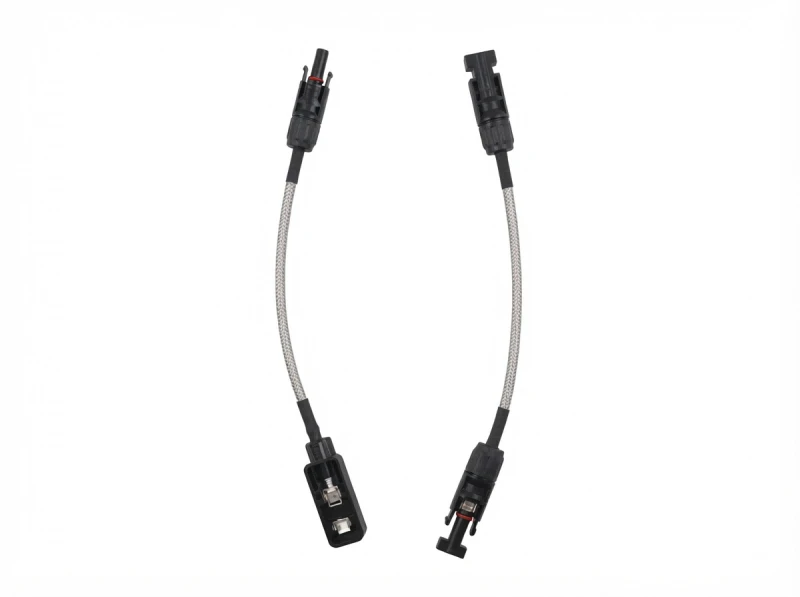
For projects requiring faster installation, Hongzhou can provide solar cable assemblies with connectors, helping installers reduce field connection work and improve installation efficiency.
As a custom solar cable manufacturer in China, Hongzhou works with distributors, installers, and renewable energy companies to develop customized cable products for different markets.
From structure design and material selection to mass production, Hongzhou provides support for customers looking for long-term cable supply partnerships.
Why Choose Hongzhou as Your Solar Cable Protection Supplier in China?
Hongzhou Cable is an ISO 9001:2015 certified cable manufacturer specializing in photovoltaic cables, electrical cables, power cords, and customized cable solutions. With OEM/ODM manufacturing experience, Hongzhou supports global customers with product development, customized production, and stable supply capabilities.
For photovoltaic applications, Hongzhou provides more than standard cable products. The company focuses on developing solutions for different installation challenges, including:
- Anti-rodent solar cable solutions
- PV DC cable customization
- Solar cable assembly services
- OEM and ODM cable manufacturing
- Wholesale solar cable supply
The company's anti-rodent solar cable is designed for 1500V DC photovoltaic systems and complies with IEC 62930 and H1Z2Z2-K standards. The cable features a stainless steel braided protection layer, XLPO insulation, and resistance against UV exposure, moisture, and harsh outdoor conditions.
For solar distributors, EPC contractors, and project developers, Hongzhou provides a complete supply chain solution from cable design to production delivery.


