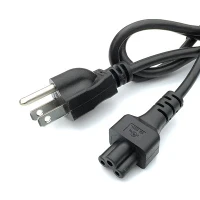
What Is A Wiring Harness? A Comprehensive Guide
Nov 10, 2026
A wiring harness is an assembly of electrical wires, connectors, terminals, and other components arranged to connect different electrical parts within a machine or appliance. Instead of installing individual wires one by one, manufacturers use a wiring harness to organize connections and make the internal wiring easier to assemble.
Wiring harnesses are commonly found in household appliances, electrical equipment, vehicles, and many other products. Their structure varies according to the equipment they serve, including wire length, connector type, terminal configuration, and branch layout.
For appliance manufacturers, understanding how a wiring harness works can help when selecting components, preparing product designs, and sourcing assemblies from suppliers. You can also explore our wire harness to learn more about the assemblies available from Hongzhou Cable.
What Is a Wiring Harness and What Does It Do?
A wiring harness is a group of wires assembled into an organized unit to carry electrical power or signals between components. It follows a specific wiring layout so that each wire reaches the correct connection point inside the equipment.
For example, a washing machine contains several electrical components that need to be connected. Its internal wiring harness routes wires between the control system, motor, sensors, and other electrical parts according to the machine's design.
The main functions of a wiring harness include:
✅ Connecting electrical components: It provides the required electrical connections between different parts of a machine.
✅ Organizing wires: It keeps multiple wires arranged according to the equipment's internal layout.
✅ Supporting assembly: A pre-arranged harness makes it easier for production workers to connect wires in the correct positions.
✅ Reducing wiring confusion: Identified wires and matching connectors help reduce mistakes during equipment assembly and maintenance.
A wiring harness is not simply a bundle of wires. Its layout, connection points, and component specifications must match the electrical design of the equipment.
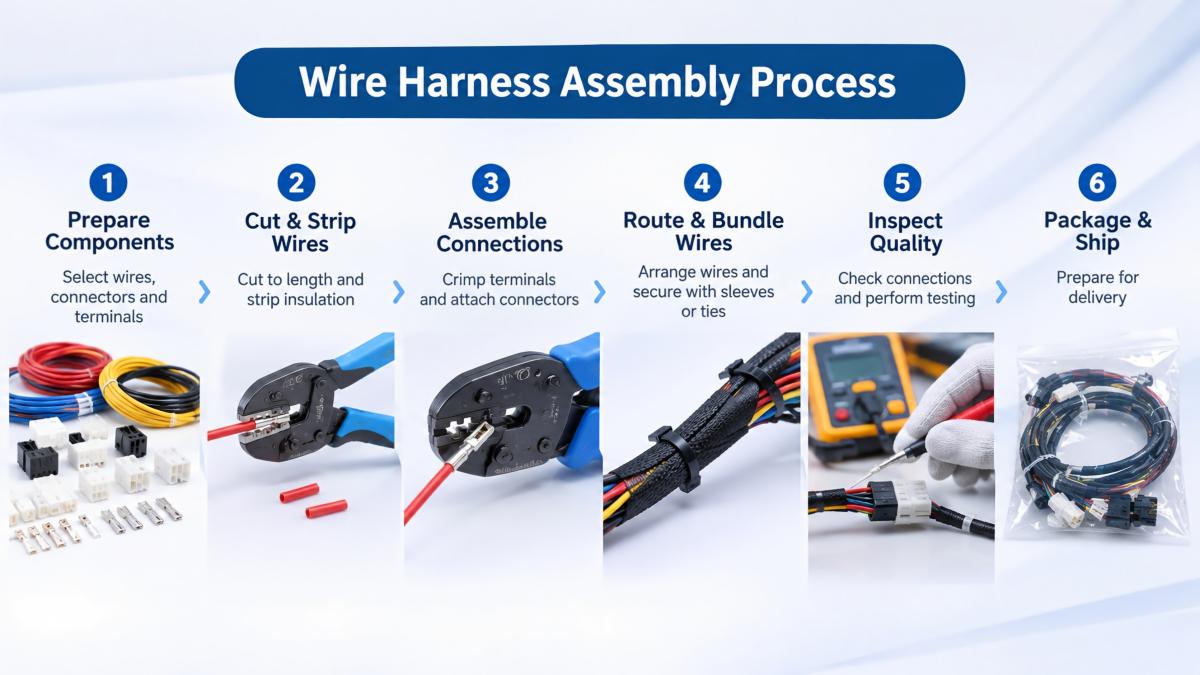
What Are the Main Components of a Wiring Harness?
The exact structure of a wiring harness depends on its application. However, most standard assemblies contain several basic components.
1. Electrical Wires
Electrical wires carry power or signals between connected components. Their specifications depend on the electrical requirements and installation conditions of the equipment.
Important factors include wire size, conductor type, insulation material, color, and length. These details should be confirmed according to the product's electrical design rather than selected by appearance alone.
2. Wire Connectors
Connectors provide plug-in connections between the wiring harness and electrical components. They make it possible to connect or disconnect parts without joining every wire individually.
Connector housing, pin count, shape, and connection positions need to match the corresponding components in the equipment.
3. Crimped Terminals
Terminals provide the contact points between wires and connectors or other electrical connection points. They are attached to prepared wire ends through a crimping process.
The terminal type and crimping specifications should be compatible with the wire and connector being used.
4. Branch Wires and Protective Materials
Some wiring harnesses contain branch sections that separate the main wire group into different routes. Each branch connects to a particular component or section of the equipment.
Depending on the design, protective materials such as sleeves, tubing, or tape may also be used to group wires and provide additional protection.
What Types of Wiring Harnesses Are Commonly Used?
Wiring harnesses are usually designed around the equipment they serve. Their names often reflect the product or system in which they are installed.
Some common examples include:
✅ Home Appliance Wiring Harnesses: Used inside washing machines, refrigerators, dishwashers, and other household appliances to connect internal electrical components.
✅ Automotive Wiring Harnesses: Used in vehicles to connect electrical and electronic systems, including lighting, sensors, and control units.
✅ Industrial Equipment Wiring Harnesses: Used in machinery and equipment to route electrical connections between components and control systems.
✅ Custom Wiring Harnesses: Made according to a particular product design, wiring diagram, sample, or set of technical requirements.
These categories can differ considerably in their technical requirements. A wiring harness for a household appliance should not automatically be treated as interchangeable with one designed for a vehicle or industrial machine.
For appliance-related projects, you can browse our wire harness for more information about Hongzhou Cable's product offering.
Where Are Wiring Harnesses Used in Home Appliances?
Home appliances are a common application for internal wiring harnesses. Different appliances have different electrical layouts, so the number of wires, connection points, and harness branches can vary.
1.Washing Machines
A washing machine wiring harness connects electrical components within the appliance. Depending on the machine design, the wiring may run between the control system, motor, sensors, and other electrical parts.
Front-load and top-load washing machines can have different internal layouts, which means their harness configurations may also differ.
For a product example, see our washing machine wire harness.
2.Refrigerators
Refrigerators contain electrical components that work together to support cooling and temperature control. Their internal wiring harnesses connect the relevant components according to the appliance's electrical design.
The required wire lengths, connectors, and routing positions depend on the refrigerator model and its internal structure.
3.Dishwashers
Dishwashers use internal electrical connections for their control and operating components. A wiring harness helps organize these connections within the appliance.
Its configuration needs to account for the available installation space and the operating conditions specified by the equipment manufacturer.
4.Other Household Appliances
Wiring harnesses can also be used in clothes dryers, ovens, coffee machines, and other electrical appliances. However, each application requires its own technical review. Wire specifications, insulation requirements, connector selection, and operating conditions should be confirmed for the actual product.
What Are the Benefits of Using a Wiring Harness?
Using a wiring harness offers practical advantages during appliance design and manufacturing.
1.More organized internal wiring
A harness groups wires according to their connection routes. This makes the internal electrical layout easier to follow than a collection of separately installed wires.
2.More convenient equipment assembly
With wires and connectors arranged in advance, production workers can install the assembly according to the equipment's wiring layout.
3.Consistent connection positions
A harness made to an approved drawing or sample helps maintain the specified wire lengths, branches, and connection points across production batches.
4.Easier maintenance
An organized wiring layout can help technicians identify connections when inspecting or repairing electrical components.
These benefits depend on the harness being correctly designed and manufactured for the equipment. A wiring harness cannot compensate for incorrect wire specifications or an unsuitable electrical design.
What Should Manufacturers Consider When Choosing a Wiring Harness?
When sourcing a custom wiring harness, appliance manufacturers should provide enough information for the supplier to understand the required structure and specifications.
The following details are particularly important:
✅ Wire specifications: Confirm wire size, conductor requirements, insulation type, color, and rated electrical requirements.
✅ Wire lengths and branch layout: Provide the overall harness dimensions, individual branch lengths, and required routing positions.
✅ Connector and terminal details: Identify connector models, pin configurations, terminal types, and matching components.
✅ Operating conditions: Explain the expected temperature, moisture exposure, vibration, and other conditions relevant to the appliance.
✅ Drawings or samples: Share a wiring diagram, product drawing, reference sample, or detailed specification to help confirm the required assembly.
✅ Order quantity: Provide the estimated order volume and production requirements so the supplier can assess the project.
Before production, both sides should confirm the drawings, materials, connection details, and applicable inspection requirements. This helps avoid problems caused by mismatched connectors, incorrect wire lengths, or unsuitable specifications.
Power Cords and Wiring Harnesses: What Is the Difference?
Power cords and wiring harnesses are both used in electrical products, but they serve different purposes.
A power cord connects an appliance or piece of equipment to an external power source. A wiring harness connects electrical components inside the appliance or equipment.
For example, a washing machine may use a power cord to receive electricity from a wall outlet, while its internal wiring harness distributes electrical connections between the machine's components.
| Comparison | Power Cord | Wiring Harness |
|---|---|---|
| Main purpose | Connects equipment to an external power source | Connects internal electrical components |
| Typical position | Outside or at the power input of equipment | Inside the appliance or equipment |
| Main components | Cable, plug, and related cord components | Wires, connectors, terminals, and branches |
| Configuration | Depends on plug type, cord length, and electrical requirements | Depends on wiring layout and equipment design |
For appliance manufacturers, these two product categories may be needed for the same product. Sourcing both from one supplier can make it easier to coordinate external power connections and internal wiring requirements.
You can learn more about Hongzhou Cable's power cord products and wire harness products to compare the two product categories.
Wiring Harness Supply from Hongzhou Cable
Hongzhou Cable supplies power cords and wire harnesses for appliance-related applications. For manufacturers looking for both external power connections and internal wiring assemblies, these product categories can be discussed together.
Our washing machine wire harness assemblies can be configured according to customer drawings, samples, or technical specifications. Requirements such as wire lengths, connector types, terminal configurations, and branch layouts can be reviewed based on the equipment design.
If your project requires a washing machine wiring harness, you can learn more about our washing machine wire harness and share your drawings or sample for further discussion.
FAQ
1.What is the difference between a wire and a wiring harness?
A wire is an individual conductor used to carry electrical power or signals. A wiring harness is an organized assembly of multiple wires and connection components arranged for a particular electrical system.
2.Are wiring harnesses custom-made?
Many wiring harnesses are made according to the equipment design. Wire lengths, connector types, terminal configurations, and branch layouts may need to be specified for each application.
3.Can a wiring harness be made from a drawing or sample?
A drawing, wiring diagram, or physical sample can help a supplier understand the required assembly. The supplier should review the specifications and confirm whether the requested configuration can be produced.
4.What information is needed to request a wiring harness quotation?
Manufacturers should provide a drawing or sample, wire specifications, connector and terminal details, required quantities, and relevant operating conditions. More complete information helps the supplier evaluate the project.
5.Can one supplier provide both power cords and wiring harnesses?
Yes. Some suppliers provide both product categories. This can be useful for appliance manufacturers that need an external power cord as well as internal wiring assemblies for the same equipment.
6.Are all wiring harnesses interchangeable?
No. Wiring harnesses are designed around specific electrical layouts and connection requirements. Differences in wire specifications, connector models, pin positions, and branch lengths can make two harnesses incompatible even if they look similar.