


Protecting Your Solar Cables: A Guide To Preventing Rodent Damage
Aug 26, 2026
Solar photovoltaic systems are designed for long-term outdoor operation, but cable protection is often one of the most overlooked parts of PV system planning.
Solar panels and inverters usually receive the most attention during project design, while solar cables are expected to operate continuously under outdoor conditions without additional consideration.
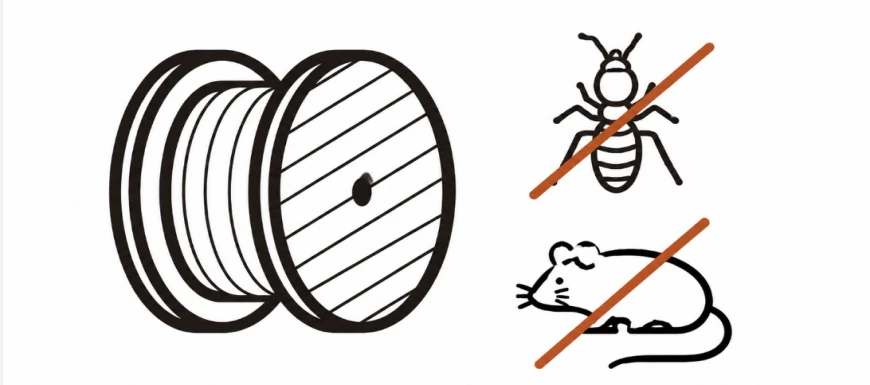
In reality, photovoltaic cables are exposed to multiple risks during their service life, including UV radiation, temperature changes, moisture, mechanical stress, and animal activity. Among these risks, rodent damage remains a common challenge for many solar projects, especially installations located in agricultural areas, remote regions, and large-scale solar farms.
Rodents can damage cable insulation through chewing, which may lead to:
- Cable insulation failure
- Electrical faults
- Power transmission issues
- Increased maintenance requirements
For EPC contractors, solar installers, and project developers, preventing cable damage before problems occur is more effective than repairing damaged systems after installation.
A complete solar cable protection solution should not only focus on the cable itself but also consider protection structure, installation reliability, and long-term system performance.
Hongzhou provides rodent resistant solar cable solutions designed for photovoltaic applications requiring additional protection. The solution combines PV DC cable manufacturing, stainless steel braided protection, connector assembly, and customized production to help customers build more reliable solar cable systems.
Understanding the Importance of Solar Cable Protection
Solar cables are responsible for transmitting electricity generated by photovoltaic modules to inverters and other electrical components.
Although they may appear simple compared with solar panels, cable reliability directly affects the overall operation of a photovoltaic system.
A damaged cable can create problems that are difficult to identify during normal operation, especially in large solar installations where thousands of meters of cables may be distributed across open areas.
Proper cable protection helps:
- Maintain electrical safety
- Reduce unexpected maintenance
- Improve system reliability
- Support long-term solar operation
For projects installed in challenging environments, choosing the right cable protection method is an important part of photovoltaic system design.
Why Are Solar Cables Vulnerable to Rodent Damage?
Solar cables are often installed outdoors, making them accessible to rodents and other animals.
Compared with indoor electrical systems, photovoltaic installations create several conditions that increase rodent risks.
1.Outdoor Installation Creates More Exposure Risks
Most solar cables are installed:
- Under photovoltaic modules
- Along mounting structures
- Near ground surfaces
- Between solar arrays and inverters
- These locations may provide shelter and access points for rodents.
Large solar farms and agricultural PV projects are especially vulnerable because cables are distributed across wide outdoor areas.
2.Cable Insulation Attracts Rodent Activity
Rodents have natural chewing behavior because their teeth continue growing throughout their lifetime.
Cable insulation materials can become targets because they are:
- Accessible
- Easy to chew
- Located in protected areas
Once the outer sheath is damaged, the internal structure of the cable becomes exposed to environmental conditions.
3.Harsh Installation Environments Increase Cable Risks
Many renewable energy projects are installed in areas where maintenance access is limited.
Common locations include:
- Desert solar farms
- Rural photovoltaic systems
- Agricultural land
- Remote power stations
These environments may combine several challenges:
- High temperature
- Dust exposure
- Wildlife activity
- Difficult inspection access
For these projects, relying only on standard cable structures may increase long-term maintenance pressure.
Common Signs of Rodent Damage in Solar Cable Systems
Early detection of cable damage helps prevent larger system failures.
Solar project operators and maintenance teams should regularly check cable conditions and surrounding environments.
1.Damaged Cable Insulation
One of the most common signs of rodent activity is visible damage on the outer cable layer.
Typical signs include:
- Bite marks
- Scratched cable surfaces
- Exposed insulation areas
- Damaged cable jackets
If the insulation layer is compromised, the cable may lose its ability to provide safe electrical protection.
2.Unstable PV System Performance
Cable damage may not always be visible immediately.
Some problems appear through system performance changes, such as:
- Reduced power output
- Electrical faults
- Unexpected shutdowns
- Abnormal inverter warnings
For large photovoltaic projects, identifying the damaged cable location can require significant inspection time.
3.Rodent Activity Around Solar Installations
Physical signs around solar equipment may indicate potential cable risks.
Common indicators include:
- Rodent droppings
- Nesting materials
- Animal paths near cable routes
- Increased wildlife activity
Regular inspection helps identify risks before serious cable damage occurs.
How to Prevent Rodent Damage to Solar Cables?
Preventing rodent damage requires more than repairing cables after problems occur. For photovoltaic projects, prevention should be considered during the cable selection and installation stages.
Different protection methods can be used depending on project conditions, but the most effective approach is to combine suitable cable design with proper installation practices.
1.Improve Solar Cable Installation Management
Cable installation methods can influence the possibility of rodent access.
Proper cable management includes:
- Avoiding unnecessary cable contact with the ground
- Securing cables to mounting structures
- Keeping cable routes organized
- Reducing exposed cable sections
For large solar projects, a well-planned cable routing system can reduce external risks and simplify future maintenance.
However, installation management alone cannot completely eliminate rodent risks, especially in areas with high wildlife activity.
2.Use Additional Protective Structures for Solar Cables
Some photovoltaic projects use external protection methods such as:
- Protective conduits
- Cable covers
- Additional mechanical barriers
These methods can provide extra protection in certain applications.
However, adding separate protection components may increase installation complexity and require additional labor during project construction.
For many solar projects, integrating protection directly into the cable structure provides a more efficient approach.
A rodent resistant solar cable combines electrical transmission and mechanical protection into one cable solution, helping reduce the need for additional protective components.
3.Select Rodent Resistant Solar Cables for High-Risk Environments
For projects located in areas with frequent rodent activity, selecting the appropriate cable structure is essential.
A rodent-proof solar cable is designed with additional mechanical protection to reduce damage caused by biting and external impact.
Compared with standard PV cables, rodent resistant cable solutions focus on improving:
- Physical protection
- Outdoor durability
- Long-term reliability
This makes them suitable for applications where cable replacement would create higher maintenance costs or operational challenges.
Why a Complete Solar Cable Protection Solution Is Better Than a Single Cable Product
Many photovoltaic projects require more than a standard cable supply.
A successful solar installation depends on multiple factors, including cable performance, connection reliability, installation efficiency, and project requirements.
For this reason, Hongzhou focuses on providing a complete solar cable protection solution instead of only manufacturing individual cable products.
The solution combines:
- Cable manufacturing
- Rodent protection structure
- Connector assembly
- Customized cable configuration
- Factory testing
This approach helps customers reduce coordination between multiple suppliers and improve project management efficiency.
Hongzhou Rodent Resistant Solar Cable Solution
Hongzhou provides customized anti rodent solar cable solutions for photovoltaic applications requiring enhanced protection.
The solution is designed around four key elements:
- Reliable DC power transmission
- Physical protection against rodent damage
- Simplified installation process
- Customized project support
Instead of supplying only a cable roll, Hongzhou helps customers build a complete cable system suitable for different solar environments.
1.PV DC Cable for Reliable Power Transmission
The foundation of the solution is the photovoltaic DC cable.
The cable is designed for solar power applications where stable electrical transmission is required.
It supports:
- Connection between PV modules and electrical equipment
- Long-term outdoor operation
- Photovoltaic system installation requirements
The cable structure provides the electrical foundation needed for reliable solar energy transmission.
2.Stainless Steel Braided Protection Against Rodent Damage
The key difference between standard PV cables and rodent resistant solar cables is the additional mechanical protection layer.
Hongzhou integrates stainless steel braided protection into the cable structure to create a stronger physical barrier.
This protection layer helps reduce risks from:
- Rodent biting
- Mechanical abrasion
- External impact
For solar projects installed in agricultural areas, remote locations, and open environments, stainless steel braided protection provides an additional layer of security.
3.Pre-Assembled Solar Cable System Improves Installation Efficiency
Cable protection is only one part of a reliable PV system.
The connection process also affects installation quality.
Hongzhou provides pre-assembled solar cable solutions that integrate:
- Solar cable production
- Connector installation
- Cable length customization
- Factory inspection
Compared with on-site cable assembly, factory pre-assembly helps reduce:
- Installation workload
- Connection errors
- Project preparation time
For EPC contractors and solar installers, this provides a more efficient cable procurement solution.
4.Customized Solar Cable Solutions for Different Projects
Different photovoltaic projects have different cable requirements.
A utility-scale solar farm may require long cable assemblies, while commercial rooftop projects may require specific connector configurations.
Hongzhou supports customized manufacturing based on customer needs, including:
- Cable length
- Cable specifications
- Connector selection
- Assembly requirements
As a custom solar cable manufacturer in China, Hongzhou provides flexible production support for distributors, installers, and renewable energy companies.
Choosing the Right Solar Cable Protection Solution for Different Applications
Different installation environments create different protection requirements.
A suitable cable solution should match the project location, maintenance conditions, and operating environment.
1.Utility-Scale Solar Farms
Large solar farms usually contain extensive cable networks installed across open land.
Common challenges include:
- Large installation areas
- High exposure to wildlife
- Difficult maintenance access
A rodent resistant solar cable system helps improve cable durability and reduce potential maintenance risks.
For EPC contractors and solar developers, selecting a suitable cable protection solution during the project planning stage helps improve long-term system reliability.
2.Agricultural Photovoltaic Projects
Agricultural PV systems are installed in environments with vegetation, soil, and animal activity.
These conditions create higher exposure to rodents.
A stainless steel braided solar cable solution provides additional mechanical protection for projects where cable damage risks are higher.
3.Remote Solar Installations
Remote solar projects often operate in locations where maintenance resources are limited.
Examples include:
- Off-grid solar systems
- Rural power projects
- Desert photovoltaic installations
For these applications, reducing cable failure risks is especially important.
A pre-assembled rodent resistant solar cable system helps simplify installation and improve long-term reliability.
Why Choose Hongzhou as Your Solar Cable Solution Partner in China?
Selecting a solar cable supplier is not only about purchasing a cable product. For photovoltaic projects, a reliable supplier should understand the installation environment, project requirements, and long-term operating challenges.
A complete solar cable solution requires cooperation between cable manufacturing, protection design, assembly capability, and quality control.
Hongzhou focuses on providing customized solar cable protection solutions for global photovoltaic customers, including:
- Solar project developers
- EPC contractors
- Solar installers
- Cable distributors
- Renewable energy companies
As a solar cable manufacturer in China, Hongzhou provides solutions covering standard PV cables, anti rodent solar cables, and pre-assembled solar cable systems.
1.Custom Solar Cable Manufacturing Capability
Different photovoltaic projects have different technical requirements.
Customers may need customized solutions based on:
- Installation environment
- Cable routing distance
- Connector requirements
- Project specifications
- Delivery requirements
Hongzhou supports customized solar cable production according to customer applications.
The customization service can include:
- Customized cable length
- Connector configuration
- Cable assembly options
- Product packaging requirements
For customers looking for a custom solar cable manufacturer, Hongzhou provides flexible production support for different solar applications.
2.OEM and ODM Solar Cable Manufacturing Support
Solar distributors and renewable energy companies often require products that match their own market requirements.
Hongzhou provides OEM and ODM manufacturing services to support customers with:
- Customized cable solutions
- Project-specific production
- Private brand requirements
- Bulk order manufacturing
As an OEM solar cable supplier, Hongzhou works with partners that need stable production capacity and customized photovoltaic cable solutions.
3.Factory Pre-Assembly and Quality Control
A complete cable solution requires consistency during production.
Hongzhou integrates multiple processes within its manufacturing system, including:
- Solar cable production
- Protective structure integration
- Connector assembly
- Product inspection
Factory pre-assembly helps maintain consistency between cable products and reduces uncertainty during field installation.
For EPC contractors and installers, this approach helps improve project efficiency and simplify procurement management.


