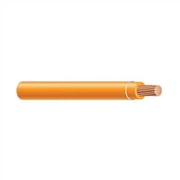
Causes Of Overheating Of Wires And Cables
Jan 05, 2022
Hongzhou Cable Company reveals the causes of overheating of wires and cables, helping you use electricity safely

In modern life, wires and cables are our indispensable invisible assistants. From home lighting to the operation of various electrical appliances, everything depends on them. However, many people do not understand the use of wires and cables, especially the overheating problem. Today, Hongzhou Cable Company will give you a popular science, why wires and cables overheat, and how to prevent these problems.
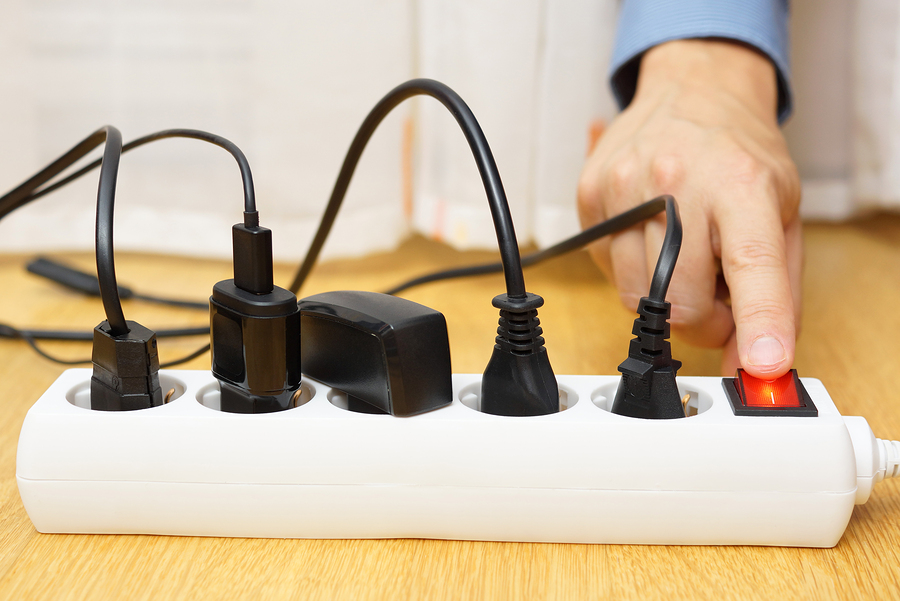
Overload operation: "overload work" of wires and cables
Imagine that you work non-stop every day without enough rest time. What will happen to your body? The same is true for wires and cables. Each wire has its rated current. If the current exceeds this limit, it will cause the cable to overheat. This problem is common in both home and industrial environments. For example, using multiple high-power appliances such as air conditioners, electric ovens and microwave ovens on the same socket at the same time may cause cable overload. Overload operation will cause the conductor temperature in the cable to rise, and long-term overload work will cause the cable insulation layer to age and soften, eventually causing overheating or even fire.
In real life, we may not be aware of the dangers of overload operation. For example, many people like to use heaters and electric blankets in the bedroom at the same time, but if these appliances are connected to the same socket, it is likely to cause overload. The current exceeds the carrying capacity of the cable, and the temperature rises rapidly, which will not only damage the cable itself, but also cause serious fire accidents.
Poor contact: the "blocked" road of electricity
In life, we often encounter the problem of water pipe leakage. In fact, poor contact at the wire joints is also a similar problem. Poor contact at the joints will increase resistance, resulting in local overheating. In the long run, the insulation layer of the wire will be burned, further increasing the risk of fire.
Poor contact is another common cause of cable overheating, especially at the wire joints or connections. Poor contact may be caused by loose wiring, loose terminals or oxidation of the contact surface. When current passes through a place with poor contact, resistance increases, causing electrical energy to be converted into heat energy. This phenomenon is not uncommon in life. For example, poor contact of the socket at home and severe heating of the plug when using high-power electrical appliances are caused by poor contact.
In order to prevent overheating caused by poor contact, we should regularly check the connection of wires and cables to ensure that the wiring is firm. For the problem of heating of electrical plugs, it is also very important to replace aging plugs and sockets in time.
:max_bytes(150000):strip_icc()/SPR-wire-connection-problems-and-solutions-1152877-hero_30062-22e3d3deac834e8b809b757af5be5fce.jpg?size=x0 "Causes Of Overheating Of Wires And Cables")
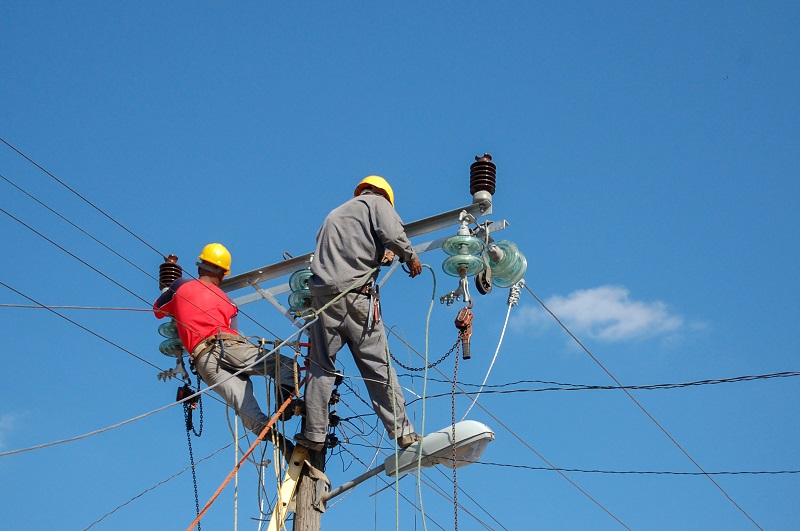
Ambient temperature: "weather influence" of cables
In the hot summer, the temperature is as high as more than 30 degrees, and people often feel stuffy, and wires and cables are no exception. In a high temperature environment, the heat dissipation capacity of the cable decreases, which is easy to cause overheating. In addition, the cable is buried underground or laid in a confined space, and poor heat dissipation will also cause the temperature to rise.
The operating environment of the cable has a great impact on its safety. The high temperature environment will reduce the heat dissipation capacity of the cable, causing its temperature to rise. For example, in the hot summer weather, especially the cables laid outdoors, are more likely to overheat due to the dual influence of direct sunlight and ambient temperature. On the contrary, cables laid underground or in a confined space will also cause overheating problems due to poor ventilation and difficulty in heat dissipation.
In order to prevent the cable from overheating due to ambient temperature, we should take environmental factors into account during the installation of the cable. Choosing a suitable cable laying location and method, avoiding high temperature environment, and ensuring good ventilation will help reduce the operating temperature of the cable.
Cable aging: "aging and decline" of the cable
Like people, cables also have a "lifespan". The insulation layer of the cable used for a long time will age and become brittle, the resistance will increase, and the heat dissipation performance will decrease. Aging cables are not only prone to overheating, but may also cause problems such as short circuits. Regular inspection and replacement of aging cables is an important measure to prevent overheating.
Cable aging is another important cause of cable overheating. Long-term use of cables, especially in high temperature, high humidity or corrosive environments, will accelerate the aging of the insulation layer. The insulation performance of aging cables decreases, the resistance increases, and it is easy to cause overheating. In addition, the mechanical strength of aging cables will also decrease, making them more susceptible to external physical damage.
Regular inspection and maintenance of cables are essential to prevent overheating problems caused by aging. Especially for cables that have been used for many years, a comprehensive inspection should be carried out, and timely replacement should be found if signs of aging are found. Ensuring that the cables are in good condition is an important measure to ensure the safe operation of the power system.

Mechanical damage: "trauma" of cables
In life, when we move furniture or decorate, we may accidentally touch or press the wires and cables, causing damage to the outer skin or even breakage of the internal wires. This mechanical damage will affect the normal operation of the cable, causing overheating or even electrical failure.
Mechanical damage is one of the common causes of cable overheating. During the installation and use of cables, they may be affected by various external forces, such as bumps during transportation, pulling during installation, or being pressed by furniture during use. These mechanical damages will damage the insulation layer of the cable, increase resistance, and cause local overheating.
In order to prevent the problem of cable overheating caused by mechanical damage, we should try to avoid the cable from being affected by external forces during the installation and use of the cable. Choose appropriate cable protection measures, such as using cable protective sleeves or pipes to fix the cables in a suitable position to avoid touching the cables when moving furniture or other objects.
Cable design and materials: the "genetic problem" of cables
The design and material selection of cables will also affect their heat dissipation performance and operational safety. Unqualified cable design and materials are prone to overheating problems. For example, cables made of inferior materials have poor insulation and conductivity, and are more likely to overheat during high-load operation.
In the design and manufacturing process of cables, national and industry standards should be strictly observed, and high-quality materials should be selected to ensure that the cables have good heat dissipation performance and mechanical strength. The use of high-quality cable products is an important basis for ensuring the safe operation of power systems.

Safety Tips from Hongzhou Cable Company
In order to ensure the safe use of wires and cables, Hongzhou Cable Company recommends that you:
Avoid overload operation: Do not use multiple high-power appliances on the same socket at the same time, such as air conditioners, electric ovens, and microwave ovens. For high-power appliances that need to run for a long time, it is recommended to use independent circuits to avoid overloading the cable.
Check the connectors regularly: Check the wire connectors regularly to ensure good contact. If poor contact is found, repair or replace them in time.
Pay attention to the ambient temperature: Avoid running the cable for a long time in a high temperature environment, and pay attention to the heat dissipation of the cable. Especially in hot summer weather and confined spaces, ventilation should be strengthened to reduce the operating temperature of the cable.
Replace aging cables regularly: Check and replace aging cables regularly to ensure that the cables are in good condition. Especially for cables that have been used for many years, a comprehensive inspection should be carried out, and timely replacement should be found if signs of aging are found.
Prevent mechanical damage: Avoid mechanical damage to the cable and protect the cable sheath. During installation and use, the cable should be protected from external forces as much as possible, and appropriate cable protection measures should be selected.
Choose high-quality cables: Use high-quality cable products to ensure that the cable has good heat dissipation performance and mechanical strength. Choose qualified cable manufacturers and purchase cable products that meet national and industry standards.
By understanding these common causes and preventive measures for overheating of wires and cables, we can better use wires and cables in our daily lives to ensure safe and worry-free electricity use. Hongzhou Cable Company will continue to be committed to providing safe and reliable cable products to our users and safeguarding the power safety of every home and business. We hope that through our efforts, more people will understand the common sense of using wires and cables, avoid safety accidents caused by overheating of cables, and jointly create a safe and reliable electricity environment.