


PV Cables: A Comprehensive Guide
Nov 28, 2024
PV Cables A Comprehensive Guide
Photovoltaic (PV) systems are essential for converting solar energy into electrical power, with cables connecting key components like solar panels, inverters, and batteries to ensure reliable operation. These cables must endure harsh conditions, including UV exposure, high temperatures, and moisture, while maintaining electrical integrity.
This article explores the unique characteristics of PV cables, such as weather resistance, high voltage tolerance, and flexibility. We will highlight how PV cables differ from standard cables in terms of durability and compliance with industry standards. Key factors for selecting the right cables, including material, insulation type, and voltage rating, will also be discussed to ensure optimal performance and safety.
Understanding these factors will help you choose the best cables for your PV system, ensuring efficiency and long-term reliability.
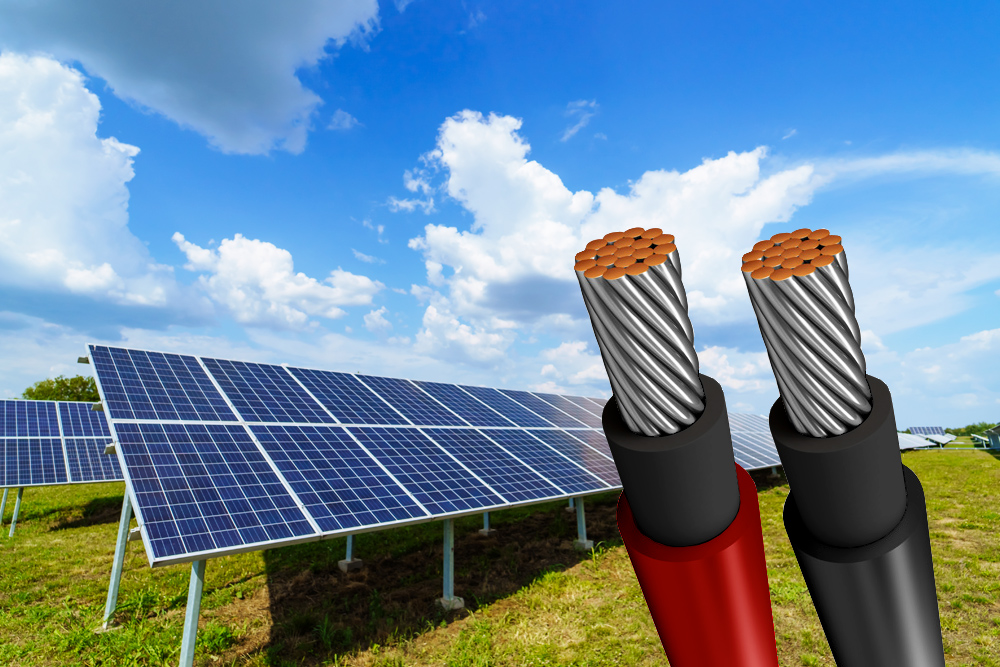
Table of contents
1.What are PV cables?
2.What are the differences between PV cables and ordinary cables?
3.Is PV cable directly buried?
4.How to Choose the Right PV Cable for Your System?
5.Can PV cables be used for AC power?
6.common problem
1.What are PV Cables?
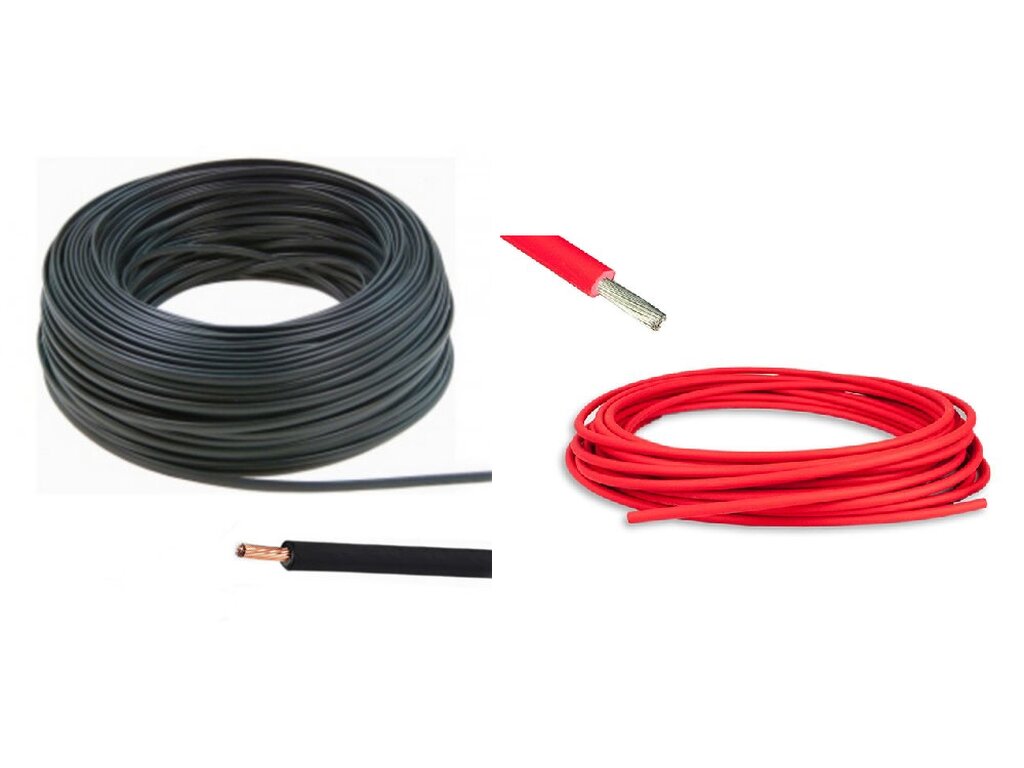
Photovoltaic (PV) cables are specifically engineered for use in solar power systems. These cables are crucial for connecting solar panels, inverters, batteries, and other key components within photovoltaic setups. PV cables are designed to endure demanding outdoor conditions, including extreme temperatures, UV exposure, and moisture.Typically, PV cables are constructed with tinned copper conductors and cross-linked polyolefin insulation and sheathing. This combination ensures high mechanical strength, excellent heat resistance, and superior UV protection. PV cables are generally rated for direct current (DC) voltages of 1,000V or 1,500V, making them suitable for a wide range of photovoltaic applications.
2.What are the differences between PV cables and ordinary cables?
There are several key distinctions between PV cables and standard cables:
Insulation and Sheath Materials: PV cables typically use cross-linked polyolefin for insulation and sheathing, which provides superior heat resistance, UV protection, and mechanical strength. In contrast, ordinary cables often use PVC, which lacks the same durability under harsh environmental conditions.
Voltage Rating: PV cables are designed to handle higher voltages, typically rated for up to 1,500V DC, making them suitable for photovoltaic systems. Ordinary cables, however, are usually rated for lower voltages, generally less than 1,000V AC.
Environmental Adaptability: PV cables are engineered to perform in challenging outdoor conditions, such as high temperatures, UV exposure, and moisture. Ordinary cables are generally not built to withstand these demanding environments.
Life Expectancy: Thanks to their durable construction, PV cables can last 25 years or more, ensuring long-term reliability. On the other hand, ordinary cables typically have a much shorter lifespan, especially when exposed to harsh outdoor conditions.

3.Can PV cables be directly buried?
Yes, some PV cables are designed and rated for direct burial. However, it's essential to verify the specific cable's rating to ensure it is suitable for this type of installation.
Direct burial-rated PV cables are engineered to handle the added stresses of being buried underground, including exposure to moisture, soil chemicals, and physical pressure. These cables typically feature thicker, more robust insulation and jacketing to safeguard the conductors from these environmental factors.
If a PV cable is not rated for direct burial, it should always be installed within a conduit or raceway for added protection. Even if the cable is rated for direct burial, it may still be advisable to use conduit or raceway in high-risk areas, such as locations where heavy equipment or vehicles might pass over the installation.
4.How to Choose the Right PV Cable for Your System?
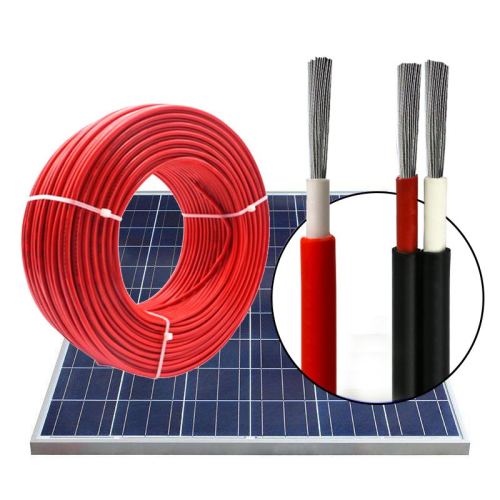
Selecting the correct PV cable is essential for the safety, efficiency, and longevity of your photovoltaic system. Here are the key factors to consider when choosing PV cables:
Voltage and Current Ratings: Ensure the cable's voltage and current ratings align with the electrical demands of your system.
Environmental Conditions: Take into account the temperature range, UV exposure, and humidity levels the cable will face. Choose a cable that is designed for the specific environmental conditions where it will be installed.
Installation Method: Determine whether the cable will be directly buried, installed in conduit, or exposed. Choose a cable that is suitable for the intended installation method, considering factors like additional protection needed for underground installations.
Cable Length: Longer cable lengths can result in higher voltage drops, which may affect system performance. For longer cable runs, a larger conductor size may be necessary to mitigate these losses.
Compliance Standards: Ensure the cable meets industry standards such as UL 4703 or EN 50618, as well as any local regulations, to guarantee safety and performance.
5.Can PV Cables Be Used for AC Power?
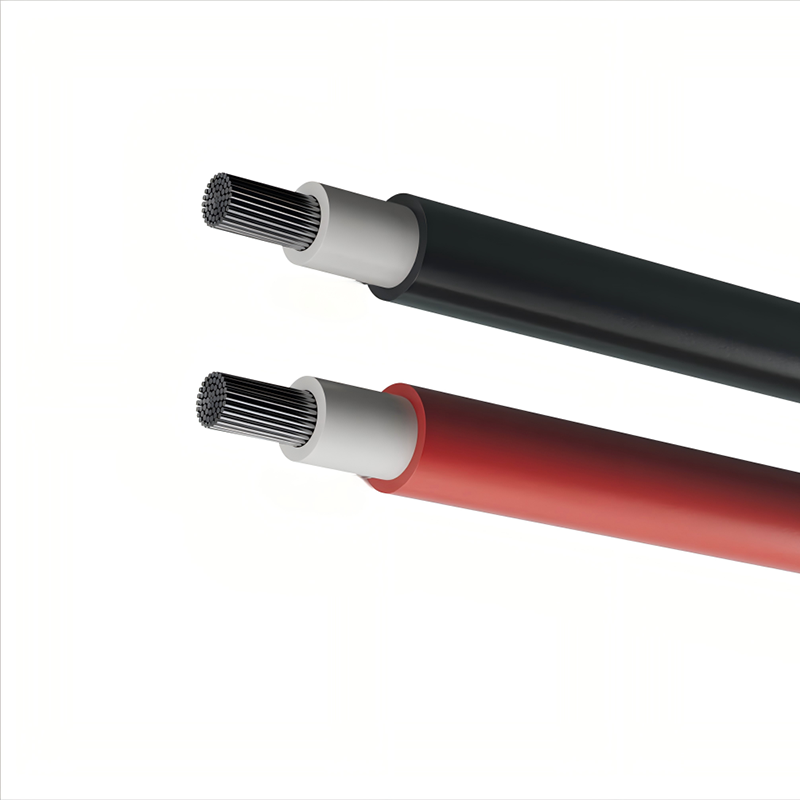
While PV cables are primarily designed for use in DC photovoltaic systems, they can be used for AC applications in certain scenarios. However, it's important to understand the limitations and considerations when using PV cables for AC power.
PV cables are optimized for DC voltages, and while they can handle AC voltages, their performance may not match that of cables specifically designed for AC systems. The insulation and jacket materials of PV cables are tailored for the unique needs of DC circuits and may not provide the same level of protection for AC applications.
When using PV cables for AC, it's crucial to check the voltage and current ratings. PV cables typically have lower AC voltage ratings than their DC counterparts, so it's important to ensure the cable can handle the AC voltage and current requirements.
PV cables may not offer the same mechanical protection as cables designed for AC power, especially in environments where physical damage is a concern. If using PV cables for AC, it's advisable to provide extra protection with a conduit or jacket.
For short-distance AC connections, such as between an inverter and a breaker, PV cables may be acceptable. However, for long-distance AC transmission, cables specifically designed for AC are recommended.
Before using PV cables for AC applications, consult an electrical engineer to ensure the cable is suitable and meets safety standards for your specific needs.
1.What is the maximum distance for running PV cables?
The maximum distance for running PV cables depends on factors such as the system voltage, cable size, and acceptable voltage drop. Generally, keeping the cable run within 50 feet is recommended to minimize energy loss. For longer distances, thicker cables may be required, but they can increase installation costs and reduce the overall efficiency of the system.
2.Can PV cables be used for both positive and negative connections?
Yes, PV cables are designed for both positive and negative connections in a photovoltaic system. It's essential to use the correct polarity for each connection, as indicated by your system's design, to ensure proper functioning and avoid damage.
3.Can PV cables be exposed to direct sunlight?
Yes, PV cables are specifically designed to be resistant to UV radiation, which allows them to be exposed to sunlight without degrading. However, it's essential to ensure that the cables are properly installed and maintained to maximize their lifespan and performance.
4.Do PV cables require special connectors?
Yes, PV cables typically require connectors that are compatible with the specific types of terminals and plugs used in photovoltaic systems. These connectors are designed to ensure safe, weather-resistant connections between the various components of the system.
5.How do I know if my PV cables are rated for outdoor use?
To ensure that your PV cables are suitable for outdoor use, check the product specifications for UV resistance, weatherproofing, and ratings such as UL 4703 or EN 50618. These certifications indicate that the cables are designed to withstand environmental conditions like UV exposure, moisture, and extreme temperatures.


